Inspiring Change Through Literature: My Journey with the Sustainable Development Goals

Updated: Aug 21
This week, I had the privilege of speaking at WoWGstaad’s side event held at Pages and Sips, a cozy coffee shop nestled in the heart of Geneva. Moderated by author and bookshop owner Kyra Wilder at Needle and Hay, the talk focused on my books inspired by the Sustainable Development Goals (SDGs). The turnout was more positive than I could have hoped for! The energy in the room was uplifting, with many attendees eager to learn and engage in meaningful conversations about how literature can inspire real-world change.
Setting the Stage for Meaningful Dialogue
When WoWGstaad invited me to share my journey and the ideas behind my SDG-inspired books, I knew this was a unique opportunity. It was a chance to connect with a community passionate about sustainability and social impact. Pages and Sips provided the perfect setting: intimate, welcoming, and filled with the aroma of freshly brewed coffee. This environment encouraged open dialogue and thoughtful questions.
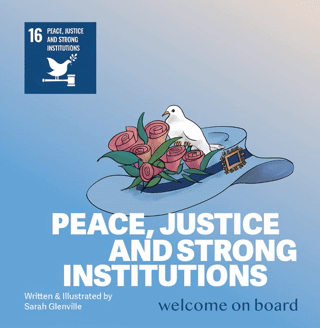
The Sustainable Development Goals are a global call to action. They aim to end poverty, protect the planet, and ensure prosperity for all. My books aim to translate these broad goals into personal stories and practical ideas that readers can relate to and act upon. During the talk, I shared how each book addresses different SDGs through characters and narratives that highlight challenges and solutions.
Engaging with an Enthusiastic Audience
One of the most rewarding parts of the event was the lively Q&A session. Attendees asked insightful questions about how literature and illustrations can influence behavior and policy. They were curious about the research behind my writing and illustrations. It was clear that many people were not only interested in the topics but also eager to find ways to contribute to positive change.
Some questions focused on how to make sustainability more accessible to schools. Others explored the role of storytelling in shifting cultural attitudes. I shared examples from my books where I used relatable scenarios to spark empathy and motivate action. For instance, one story I created features imaginary happy and sad birds that illustrate SDG 1 (No Poverty) in a way that feels personal and achievable.
The founder of PEPEnglish attended and explained how the PEP schools are utilizing my books this year. It was heartwarming to see how literature can bridge gaps and inspire young minds.
The Power of Place: Why Geneva Matters
Geneva is a city known for its international organizations and commitment to global cooperation. Hosting the talk here added a layer of significance. The audience included locals and visitors who work in fields related to development, human rights, and environmental protection. This mix created a dynamic atmosphere where ideas could cross-pollinate.
The coffee shop itself, tucked away in a lively neighborhood, attracted a diverse crowd. Some attendees came specifically for the event, while others stopped by out of curiosity and stayed to listen. This blend of planned and spontaneous participation made the experience feel organic and inclusive.
Lessons Learned and Future Directions
Reflecting on the event, I realized how important it is to create spaces where people can explore complex issues in approachable ways. Books inspired by the SDGs can serve as bridges between abstract goals and everyday life. They invite readers to see themselves as part of a larger story and encourage small but meaningful actions.
The positive response at Pages and Sips reinforced my belief that storytelling is a powerful tool for change. Moving forward, I plan to expand this approach by collaborating with educators and community groups. Together, we can develop workshops and reading programs centered on sustainability themes.
How You Can Get Involved
If you’re inspired by the idea of using literature to support the SDGs, here are some practical steps to consider:
Start a book club focused on sustainability and social justice themes to foster discussion and awareness.
Support local authors who write about environmental and social issues.
Organize or attend talks and workshops that connect literature with real-world challenges.
Use stories to engage young people in learning about the SDGs in a relatable way.
Share your own experiences and ideas through writing, whether it’s blogging, journaling, or creative projects.
Each small action contributes to a larger movement toward a more sustainable and just world. Together, we can inspire the next generation of changemakers!
The Importance of Storytelling in Education
Storytelling is not just an art; it’s a powerful educational tool. It captivates young minds and helps them understand complex concepts. When we weave lessons into engaging narratives, we make learning fun and memorable.
Imagine a child reading about a brave character who tackles environmental issues. They see themselves in that character, feeling empowered to make a difference. This connection is vital. It fosters curiosity and a sense of purpose.
As we explore the SDGs through stories, we can spark discussions about kindness, empathy, and responsibility. These themes resonate with children, encouraging them to think critically about their actions and their impact on the world.
Creating a Community of Changemakers
Building a community around these ideas is essential. Schools and education centers can play a pivotal role. By incorporating SDG-themed literature into their curriculum, they can inspire students to become active participants in their communities.
Imagine classrooms buzzing with excitement as students discuss how they can contribute to sustainability. They might organize clean-up days, plant trees, or create art projects that raise awareness. These activities not only reinforce the lessons from the books but also empower students to take action.
Parents can also get involved by reading these stories with their children. Sharing these narratives at home can spark conversations about values and responsibilities. Together, we can nurture a generation that cares deeply about the planet and its people.
Conclusion: A Call to Action
As I reflect on my journey and the recent event in Geneva, I feel a renewed sense of purpose. The world needs passionate individuals who are willing to step up and make a difference. Through literature, we can inspire young minds to dream big and take action.
Let’s continue to explore the Sustainable Development Goals together. Let’s use storytelling as a tool for change. Each of us has the power to inspire, educate, and uplift the next generation. Together, we can create a brighter, more sustainable future for all.


Comments